


2009
Palladium becomes a hallmarkable metal (compulsory after 1st January 2010).
1998
Introduction of amendments to the 1973 Hallmarking Act. Including introduction of new standards of gold, silver and platinum (to harmonise with Europe) also the abolition of import marks. Date letter and standard mark become optional.
1975
On April 1st the British Government ratified the International Convention on Hallmarking.
1975
The introduction of the 1973 Hallmarking Act all Assay Offices date letters now standardised and all change on January 1st. Platinum became a hallmarkable metal.

1973
Birmingham and Sheffield Assay Offices commemorated their bi-centenary with special marks, Birmingham had a letter ‘c’ either side of the anchor and Sheffield used their 1773 date letter ‘E’ again.
1934
The first commemorative voluntary mark commemorating George V and Queen Mary’s silver jubilee.

1932
15 and 12 carat gold discontinued and 14 carat introduced.

1890
Duty was removed on gold and silver- the duty mark no longer stamped.

1855
The Gold Wedding Ring Act now required all wedding rings to be hallmarked.

1854
Introduction of 15, 12 and 9 carat gold.

1824
Birmingham empowered to hallmark gold.
1784
Introduction of duty on both silver (6d per ounce) and gold (8 /- per ounce) and the duty mark represented by the King’s head in profile.
1773
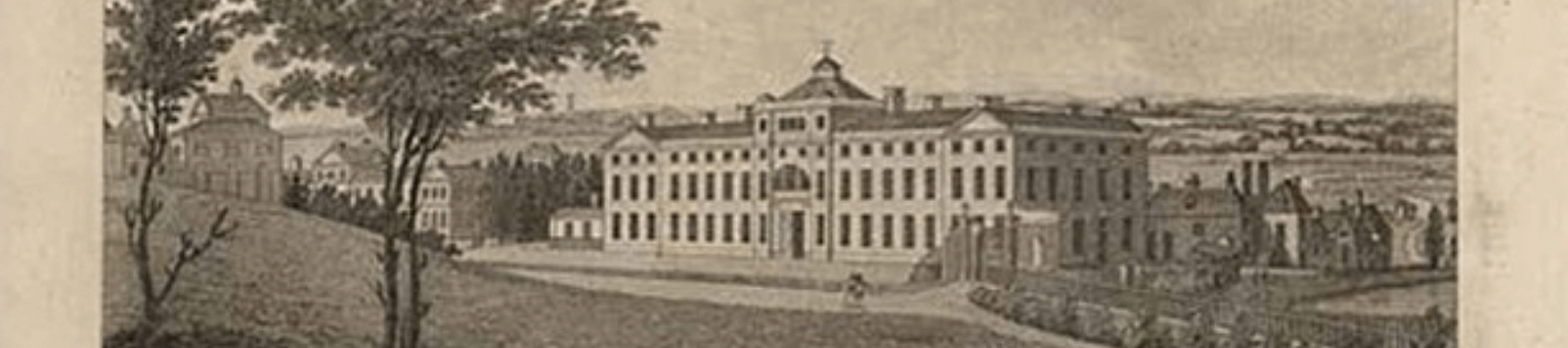
Founded in 1773, Birmingham Assay office has been an integral part of the city’s history for over two centuries